

 Cart
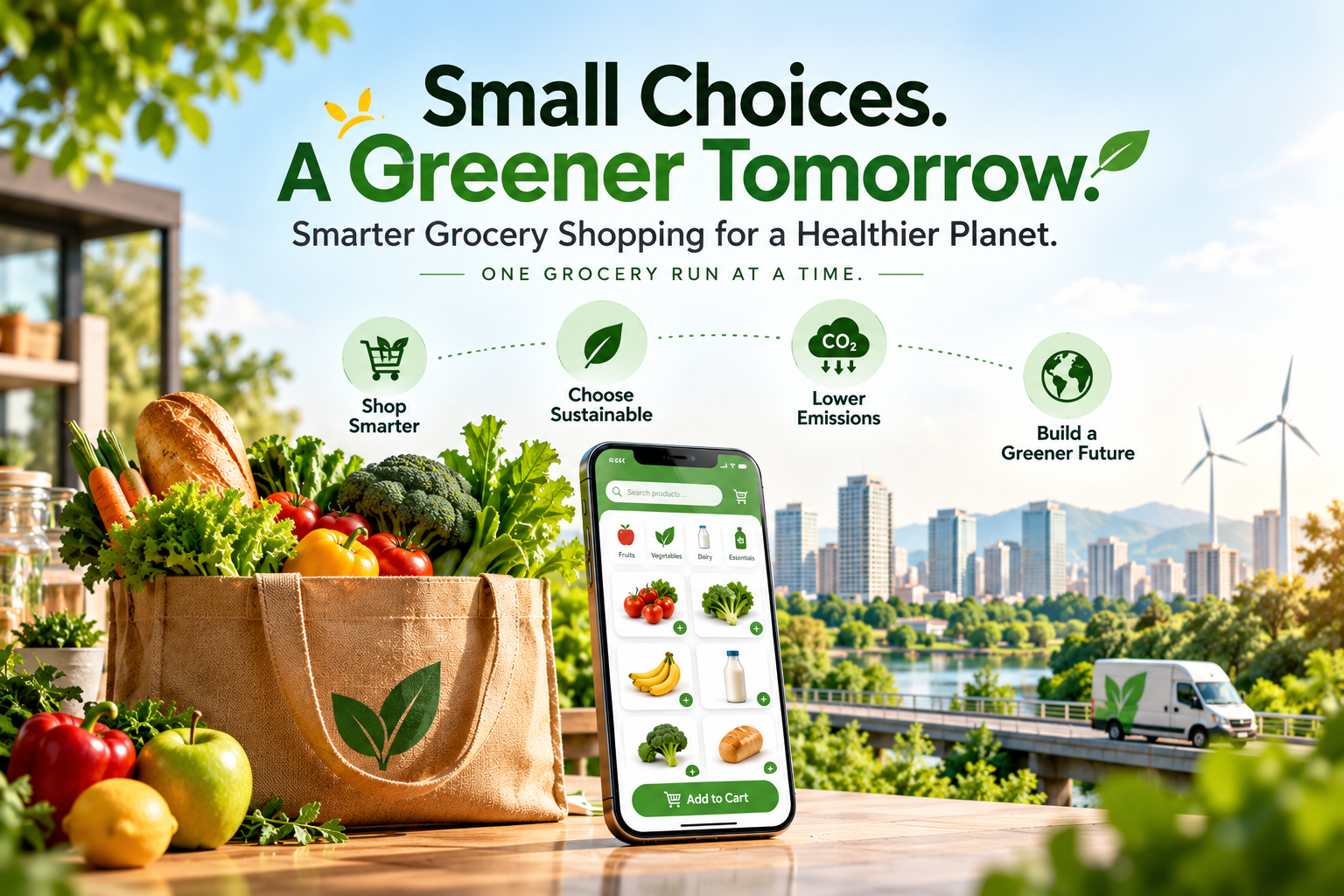


Sustainable living starts with the everyday choices we make. From the food we buy to the way we shop, small changes in our routines can contribute to a healthier planet. Grocery shopping is an essential part of daily life, making it an excellent opportunity to adopt more environmentally responsible habits. EcoDash focuses on making sustainable living more accessible by helping people make smarter grocery choices. By bringing convenience and sustainability together, EcoDash encourages individuals to rethink their shopping habits and take practical steps toward reducing their environmental impact.
How Grocery Shopping Impacts the Environment
Grocery shopping involves more than purchasing food. Packaging materials, transportation, food waste, and supply chain activities can all contribute to environmental impact. Frequent shopping trips, unnecessary purchases, and reliance on disposable packaging may increase waste and emissions.
Making thoughtful purchasing decisions can help reduce some of these impacts. Planning grocery lists, choosing products with less packaging, and buying only what is needed are practical ways to make shopping more sustainable. Over time, these habits can become a natural part of everyday life.
Making Sustainable Grocery Shopping Easier
Sustainable grocery shopping does not have to be complicated. Simple decisions, such as choosing reusable bags, selecting seasonal produce when available, and avoiding unnecessary packaging, can make a difference.
EcoDash aims to support a more convenient approach to sustainable shopping by connecting everyday grocery routines with environmentally conscious choices. By making sustainability part of the shopping experience, the platform encourages users to build habits that fit their lifestyles.
Reducing Your Carbon Footprint Through Smarter Shopping
Reducing your carbon footprint often begins with small, consistent actions. Grocery shopping provides several opportunities to make more considered choices, from planning purchases to reducing unnecessary travel.
Combining errands, organizing shopping lists, and considering delivery options where appropriate can help avoid unnecessary journeys. Choosing locally produced goods when practical may also reduce transportation requirements, although the overall environmental impact depends on factors such as production methods, storage, and distribution.
With EcoDash, the goal is to make smarter grocery decisions easier to incorporate into daily routines while keeping sustainability in focus.
Reducing Food Waste Through Better Planning
Food waste is a significant challenge for households. Buying more than necessary can lead to unused ingredients and spoiled food, wasting the resources used to produce, package, and transport it.
Planning meals before shopping, checking what is already available at home, and purchasing realistic quantities can help prevent waste. Storing groceries correctly and using ingredients before they expire can further support a more sustainable household.
A more organized shopping process helps consumers make purposeful purchases instead of relying on last-minute decisions. These habits can benefit both the environment and household budgets.
Choosing Sustainable Products and Packaging
Product selection plays an important role in responsible shopping. Consumers can look for reusable, recyclable, or minimally packaged products when suitable alternatives are available. Bringing reusable shopping bags and avoiding unnecessary single-use items can also help reduce household waste.
It is equally important to consider product quality, durability, and actual usefulness rather than relying solely on environmental claims. Reading product labels and evaluating packaging can help shoppers make more informed decisions.
EcoDash aligns with the broader goal of making sustainable choices a practical part of the grocery shopping experience, helping consumers become more mindful of the products they purchase.
The Role of Technology in Sustainable Living
Technology can make everyday activities more organized and convenient. Digital shopping platforms can help users manage grocery purchases, explore available products, and streamline their shopping routines.
When designed with sustainability in mind, these tools can also encourage better planning and more thoughtful purchasing decisions. Organized shopping can help reduce forgotten items, unnecessary purchases, and avoidable trips.
EcoDash brings technology into the conversation around sustainable lifestyles by focusing on the connection between grocery shopping, convenience, and environmental awareness. Its broader vision reflects how digital solutions can help people adopt more responsible everyday habits.
Building Sustainable Habits That Last
Sustainable living is most effective when it becomes a regular habit rather than an occasional effort. Individuals do not need to change every aspect of their lifestyle at once. Starting with reusable bags, meal planning, reducing food waste, and making informed product choices can create a strong foundation.
Families can involve everyone in planning grocery lists and managing food supplies. Individuals can track their shopping habits and identify opportunities to avoid waste. Businesses and communities can also contribute by supporting responsible consumption and improving access to sustainable options.
The key is consistency. Small improvements repeated over time can help create a more thoughtful approach to consumption.
Conclusion: A Greener Lifestyle Starts With Everyday Choices
Creating a sustainable lifestyle does not always require major changes. More thoughtful grocery shopping, reduced food waste, responsible packaging choices, and better planning can all contribute to more environmentally conscious routines.
EcoDash supports the idea that sustainability should be practical, accessible, and connected to everyday life. By making grocery shopping more organized and encouraging smarter decisions, the platform reflects an approach to living that values both convenience and environmental responsibility.
A greener future begins with the choices we make today, one grocery run at a time.

Leave a reply