

 Cart
Cart
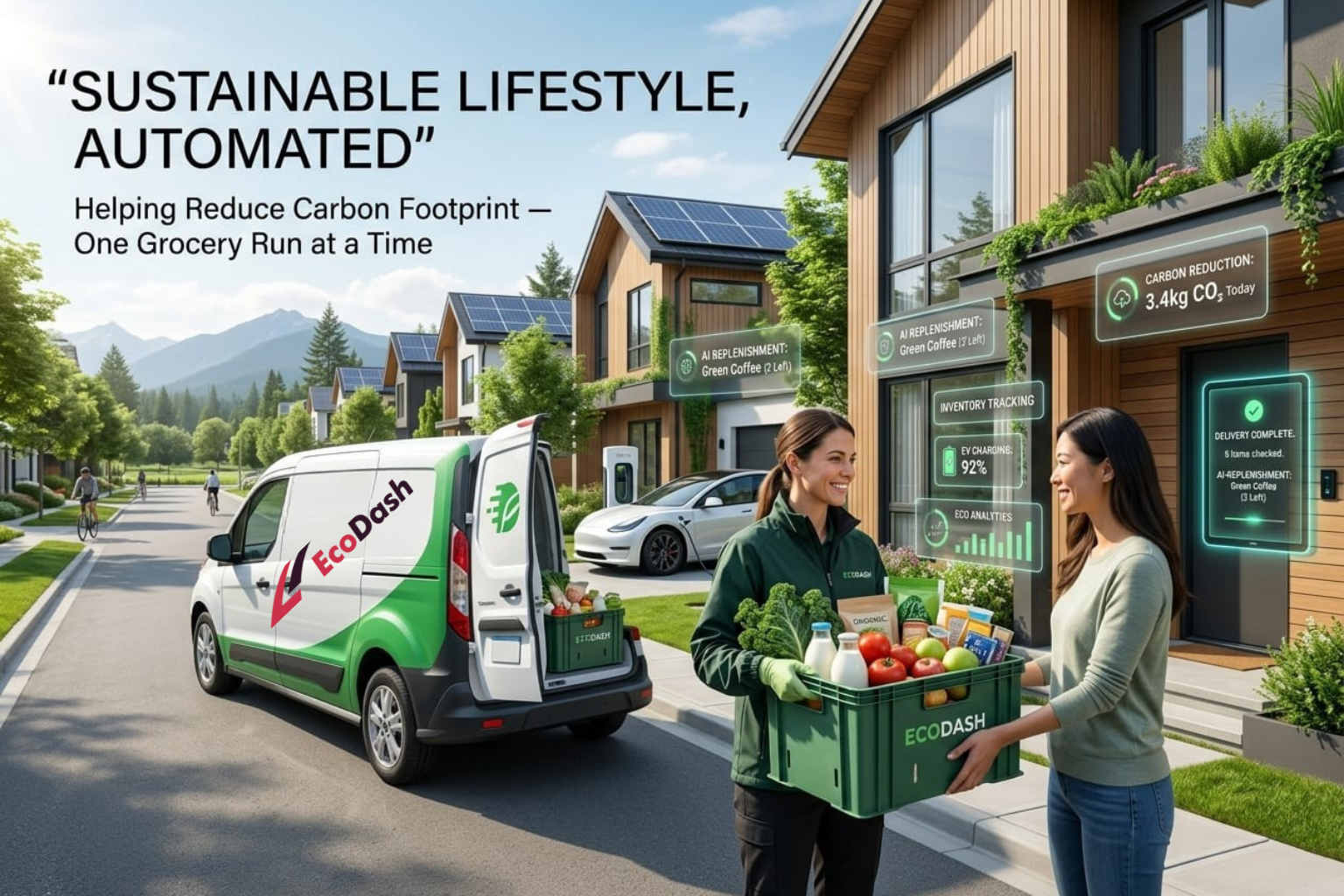



Sustainability is no longer just a trend. It has become a practical lifestyle choice for individuals, families, and businesses looking to reduce environmental impact while improving everyday efficiency. As technology continues to evolve, smart automation is making sustainable living easier, smarter, and more accessible than ever before.
EcoDash represents this modern shift by combining intelligent automation with eco-conscious living. From optimized grocery deliveries to smart inventory tracking and energy-aware systems, technology is helping households reduce waste, save time, and lower their carbon footprint.
The Rise of Automated Sustainable Living
Modern lifestyles often lead to unnecessary waste, inefficient transportation, and overconsumption. Frequent grocery trips, food spoilage, and unplanned purchasing habits contribute significantly to environmental impact.
Smart automation changes this by creating systems that anticipate needs, optimize deliveries, and improve resource management. Instead of reacting manually to everyday tasks, households can rely on connected technologies that work efficiently in the background.
Automated sustainable living focuses on reducing unnecessary effort while making environmentally responsible decisions part of daily life.
Smarter Grocery Management
One of the biggest contributors to household waste is food mismanagement. People often buy more than they need, forget existing inventory, or make multiple trips for small purchases.
Smart platforms like EcoDash help streamline grocery management through:
- Automated replenishment tracking
- Inventory monitoring
- Consumption pattern analysis
- Efficient delivery scheduling
This approach minimizes waste while ensuring households always have essential items available.
Reducing Carbon Footprint Through Optimization
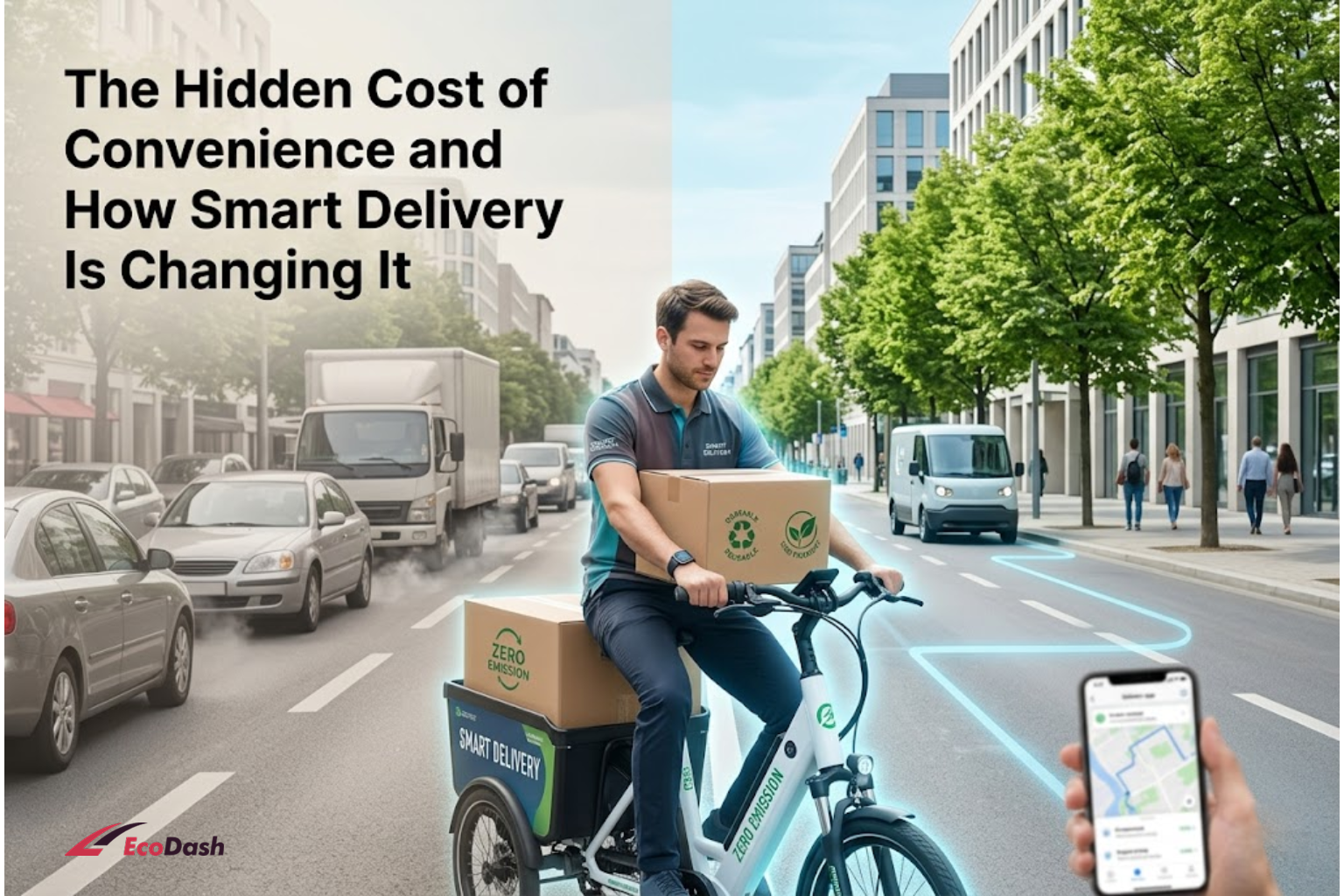
Transportation emissions remain a major environmental concern. Smart delivery systems reduce unnecessary trips by optimizing routes and consolidating deliveries more efficiently.
Instead of multiple individual shopping trips, automated systems can coordinate smarter logistics that lower fuel consumption and reduce overall emissions.
Combined with electric vehicle integration and energy-aware systems, these technologies contribute to a cleaner and more sustainable future.
Intelligent Homes and Connected Systems
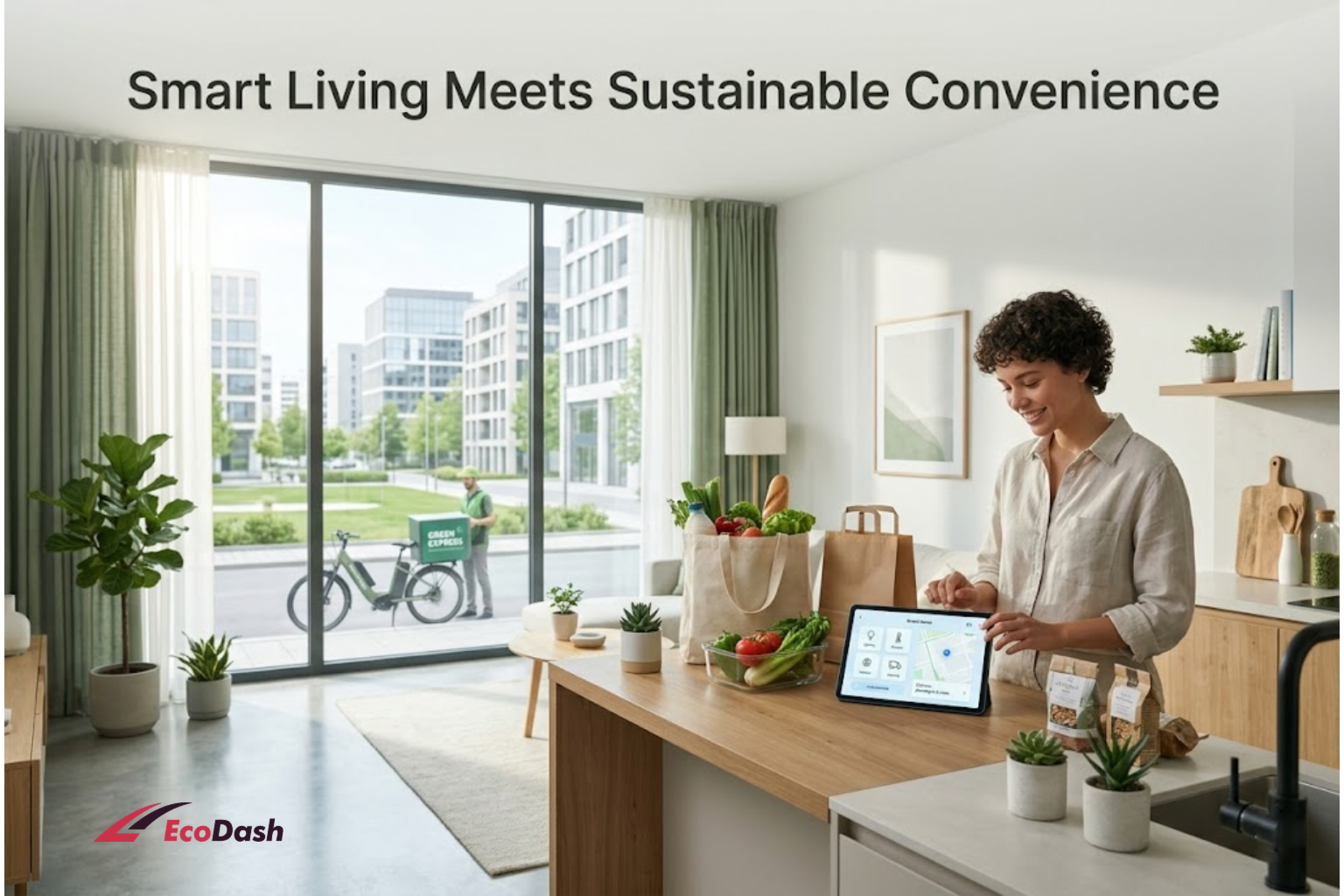
Modern smart homes are becoming increasingly interconnected. Devices now communicate with each other to improve energy efficiency, convenience, and sustainability.
Automated systems can manage:
- Energy consumption
- Smart charging schedules
- Inventory alerts
- Water usage tracking
- Delivery coordination
These connected ecosystems create a seamless living experience where sustainability becomes part of everyday operations.
Better Convenience Without Compromise
Sustainable living does not have to feel restrictive or complicated. One of the greatest advantages of automation is convenience.
By reducing repetitive tasks and improving planning accuracy, households gain more time while also making smarter environmental choices. Automation allows people to focus less on routine management and more on quality living.
The Future of Eco-Friendly Technology
As artificial intelligence and connected systems continue to evolve, sustainable automation will become even more advanced. Future systems may predict household needs more accurately, optimize entire neighborhood delivery networks, and integrate renewable energy usage automatically.
Technology is creating opportunities where convenience and sustainability work together rather than against each other.
Final Thoughts
Sustainable living is no longer limited to major lifestyle changes. With smart automation and intelligent systems, even small daily activities can contribute to a larger environmental impact.
Platforms like EcoDash demonstrate how technology can simplify routines, reduce waste, and support greener living without sacrificing comfort or convenience.
The future of sustainability is not only eco-friendly — it is intelligent, connected, and automated.

Leave a reply