

 Cart
Cart
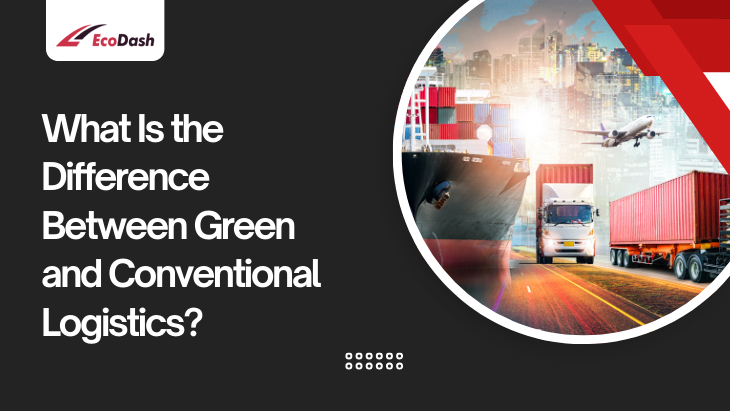


The logistics industry plays a major role in how goods move from suppliers to customers. In recent years, growing environmental concerns and rising consumer expectations have changed how logistics systems operate. Fast Grocery Delivery in Canada This shift is especially visible in sectors like fast grocery delivery in Canada, where speed, sustainability, and efficiency are all critical. Understanding the difference between green logistics and conventional logistics helps businesses and consumers see how delivery choices impact costs, the environment, and long-term sustainability.
As demand for fast grocery delivery in Canada continues to grow, companies are under pressure to deliver orders quickly while also reducing their environmental footprint. This has led to increased interest in green logistics as an alternative to traditional delivery models.
Understanding Conventional Logistics
Conventional logistics refers to traditional methods of transporting, storing, and distributing goods. These systems are primarily designed to maximize speed, scale, and cost efficiency, often with less focus on environmental impact. Fuel-powered vehicles, large warehouses, and long-distance transportation routes are common features of conventional logistics.
In fast grocery delivery in Canada, conventional logistics typically involves centralized warehouses and gasoline- or diesel-powered delivery vehicles. While this model supports rapid order fulfillment, it often leads to higher carbon emissions, increased fuel consumption, and greater operational waste. The main priority in conventional logistics is meeting delivery timelines and managing large volumes at the lowest possible cost.
What Is Green Logistics?
Green logistics focuses on reducing the environmental impact of transportation and supply chain activities. This approach integrates sustainable practices such as energy-efficient vehicles, optimized delivery routes, eco-friendly packaging, and reduced waste. The goal is to balance speed and service quality with environmental responsibility.
For fast grocery delivery in Canada, green logistics may include electric delivery vehicles, local distribution hubs, and route optimization software to minimize fuel usage. These practices help lower emissions while still meeting customer expectations for fast and reliable grocery delivery.
Environmental Impact of Both Models
One of the most significant differences between green and conventional logistics is their environmental footprint. Conventional logistics contributes to higher greenhouse gas emissions due to heavy reliance on fossil fuels and long-distance transportation. Warehouses may also consume large amounts of energy, adding to the overall environmental impact.
Green logistics, on the other hand, is designed to minimize pollution and resource consumption. By using renewable energy sources, efficient vehicles, and smarter routing, green logistics reduces carbon emissions. In fast grocery delivery in Canada, this means fresher deliveries with a smaller environmental footprint, benefiting both customers and the planet.
Cost Considerations and Business Impact
Cost is a key factor when comparing green and conventional logistics. Conventional logistics may appear cheaper in the short term due to established infrastructure and lower upfront investment. However, rising fuel prices, regulatory pressures, and environmental taxes can increase long-term operational costs.
Green logistics may require higher initial investment in electric vehicles, technology, and sustainable infrastructure. Over time, however, businesses often see savings through reduced fuel costs, energy efficiency, and improved brand reputation. In the competitive fast grocery delivery market in Canada, companies adopting green logistics can also attract environmentally conscious customers.
Speed and Efficiency in Grocery Delivery
Speed is critical in grocery delivery, where freshness and customer satisfaction depend on quick fulfillment. Conventional logistics systems are optimized for rapid large-scale distribution, making them effective for handling high order volumes.
Green logistics also supports fast delivery but focuses on smarter efficiency rather than just speed. Local fulfillment centers, optimized routes, and data-driven planning help reduce delivery times while lowering emissions. For fast grocery delivery in Canada, this means companies can deliver quickly without sacrificing sustainability.
Technology’s Role in Green and Conventional Logistics
Technology plays a vital role in both logistics models, but its purpose differs. In conventional logistics, technology is used to track shipments, manage inventory, and improve delivery speed. These systems help maintain efficiency but may not prioritize environmental impact.
In green logistics, technology is used to optimize routes, monitor energy usage, and track carbon emissions. Advanced analytics and AI-powered tools help companies reduce waste and improve sustainability. In fast grocery delivery in Canada, this technology ensures that groceries reach customers quickly while minimizing environmental harm.
Customer Expectations and Sustainability
Modern consumers are more aware of environmental issues and increasingly prefer businesses that demonstrate sustainability. Conventional logistics may meet speed expectations but can fall short in addressing environmental concerns.
Green logistics aligns more closely with changing customer values. Customers using fast grocery delivery in Canada are more likely to support brands that use eco-friendly packaging and low-emission delivery methods. This shift in expectations makes green logistics a competitive advantage for businesses.
Key Differences Between Green and Conventional Logistics
-
Green and conventional logistics differ mainly in their priorities and long-term impact.
-
Conventional logistics focuses on cost and speed, often with higher environmental impact.
-
Green logistics prioritizes sustainability while maintaining efficiency and service quality.
The Future of Fast Grocery Delivery in Canada
The future of fast grocery delivery in Canada is closely tied to sustainable logistics practices. As regulations become stricter and consumer awareness grows, more companies are expected to adopt green logistics models. This transition will reshape how groceries are delivered, focusing on speed, freshness, and environmental responsibility.
Businesses that invest in green logistics today are better positioned for long-term success. By combining fast delivery with sustainable practices, companies can meet customer needs while reducing their environmental footprint.
Conclusion: Choosing the Right Logistics Model
The difference between green and conventional logistics goes beyond delivery methods. It reflects a broader shift in how businesses approach sustainability, cost management, and customer expectations. Ecodash For fast grocery delivery in Canada, green logistics offers a forward-thinking approach that balances speed, efficiency, and environmental responsibility.
While conventional logistics remains widely used, green logistics represents the future of the industry. Companies that embrace sustainable practices can improve

Leave a reply