

 Cart
Cart
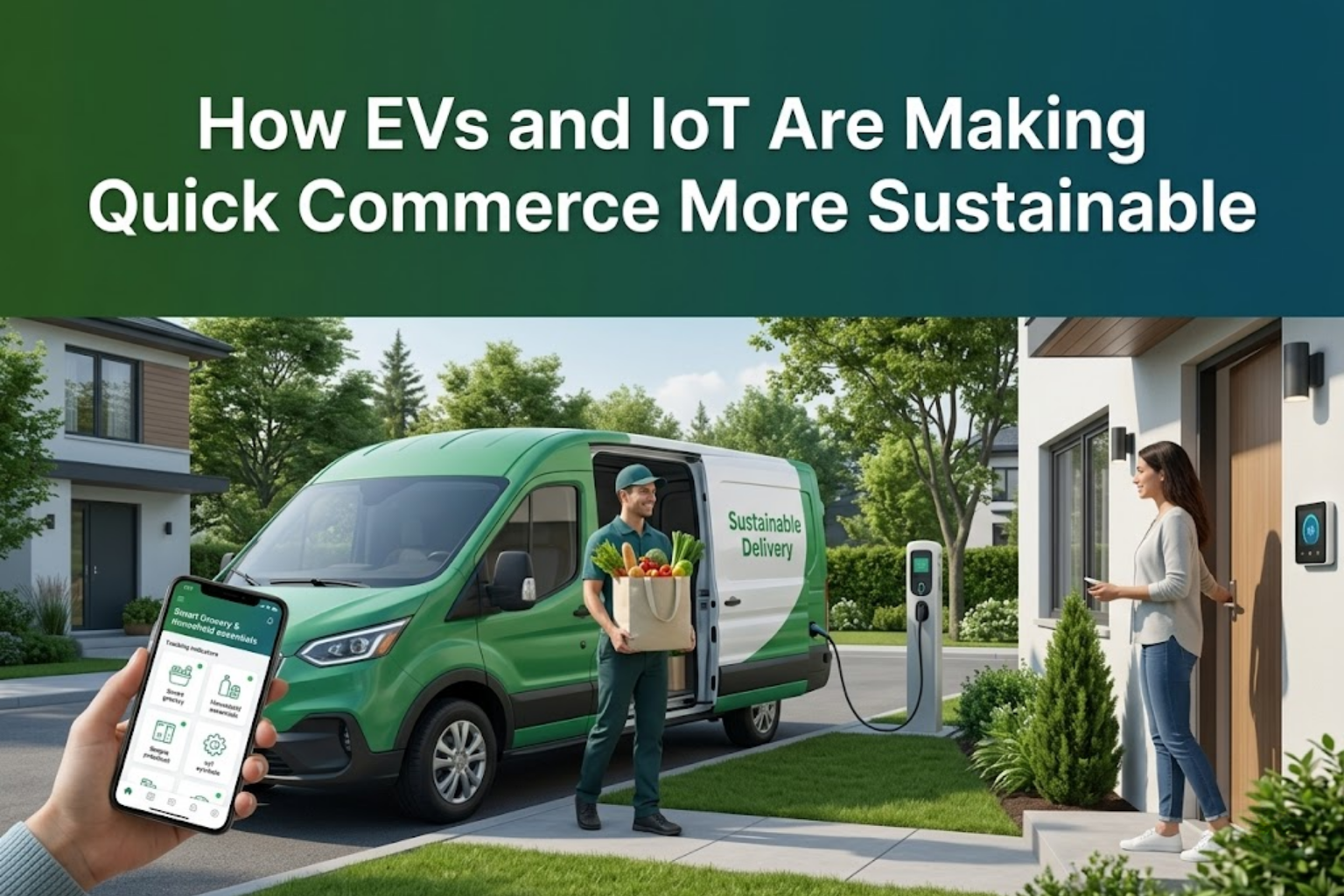



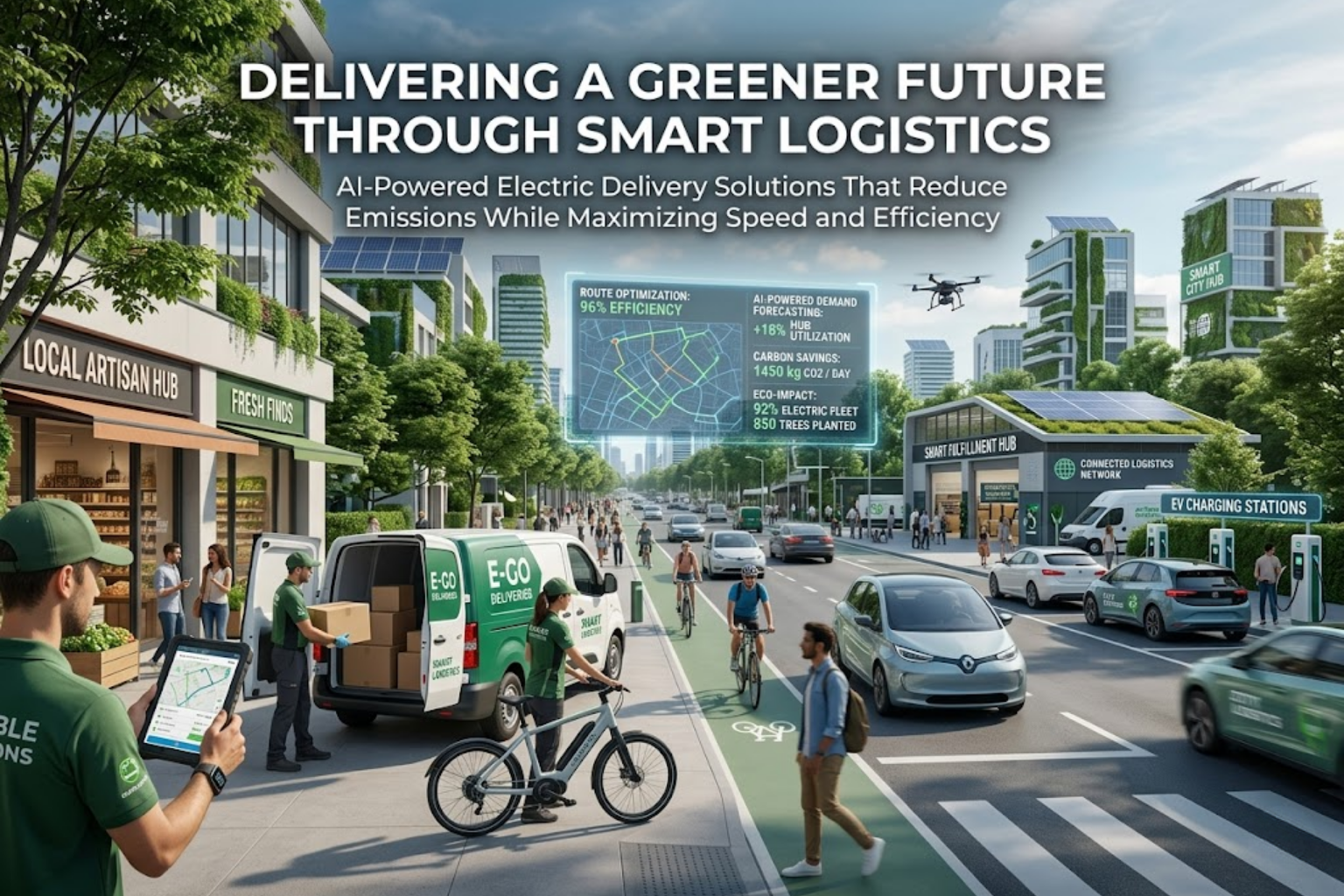
Quick commerce has made it easier for Canadians to receive groceries and everyday essentials without making a trip to the supermarket. However, faster delivery can also create challenges around transportation, energy use, and environmental impact.EcoDash combines electric vehicles (EVs), IoT, and automated delivery to create a more sustainable approach to quick commerce. By connecting technology with everyday essentials, EcoDash helps make shopping more convenient while supporting environmentally responsible living.
The Environmental Challenge of Quick Commerce
Traditional grocery shopping often requires individual trips by car, adding transportation time, fuel consumption, and emissions. As demand for fast delivery continues to grow, businesses also need to consider how delivery fleets can reduce their environmental impact.
Electric vehicles provide an opportunity to make local deliveries more sustainable by reducing reliance on conventional fuel-powered vehicles.
How Electric Vehicles Support Sustainable Delivery
EVs are an important part of EcoDash's approach to environmentally conscious quick commerce.
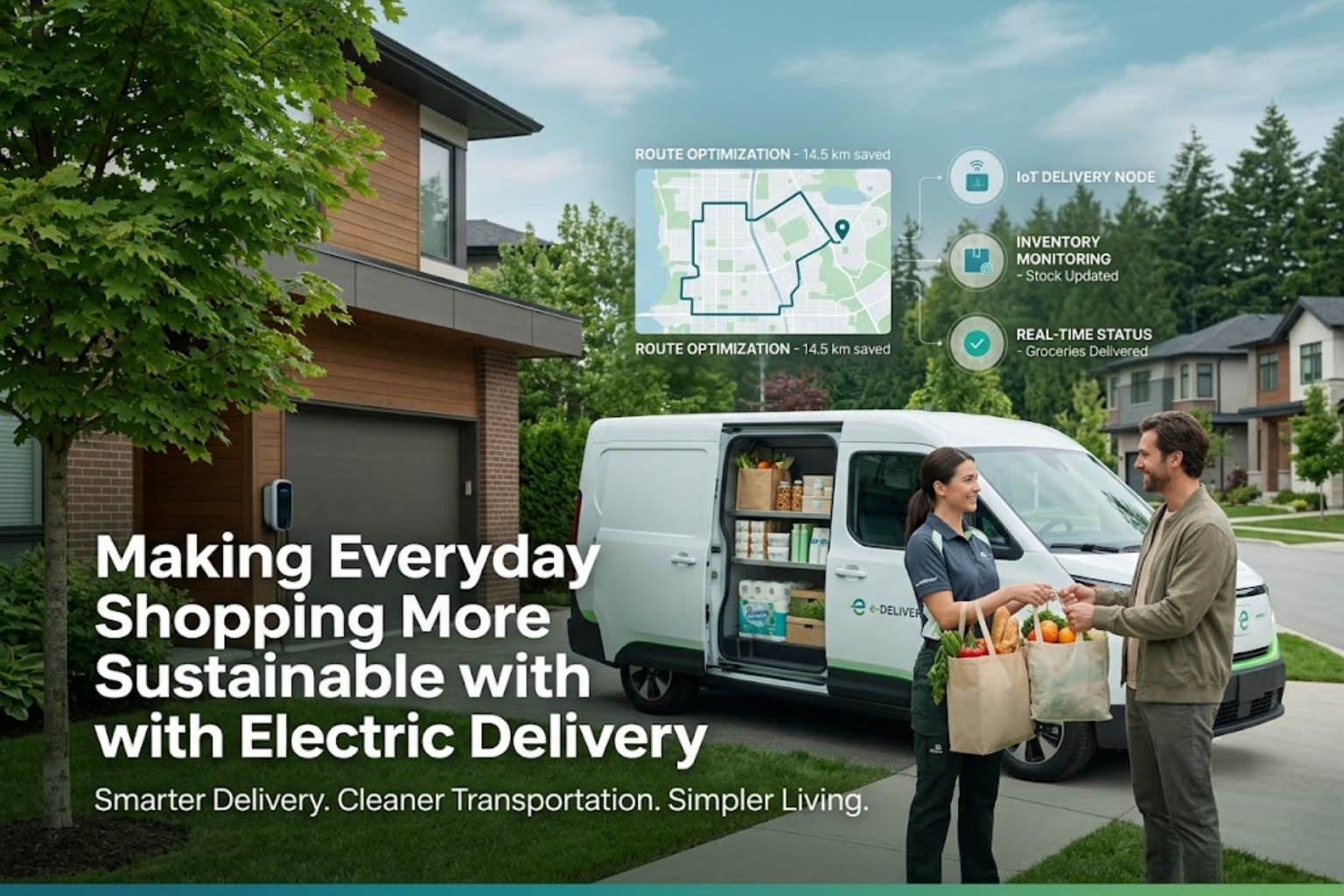
By using an electric delivery fleet, EcoDash can help reduce emissions associated with traditional delivery vehicles. Electric vehicles are particularly suitable for local deliveries because routes can be planned around shorter distances and regular charging schedules.
This creates a delivery model that combines convenience with a stronger focus on sustainability.
The Role of IoT in Smart Grocery Management
EcoDash goes beyond electric delivery by using Internet of Things (IoT) technology to help monitor household essentials.
Connected technology can provide better visibility into everyday consumption and help users understand when essential items may need to be replenished.
Instead of waiting until something runs out and making an urgent supermarket trip, smart monitoring can support a more proactive approach to household shopping.
Saving Time Through Automated Essentials Delivery
Time is one of the biggest benefits of quick commerce.
Busy professionals, families, and individuals may not always have time for frequent supermarket trips. Automated delivery can help simplify this routine by making everyday essentials more accessible.
EcoDash aims to reduce the need for unnecessary shopping trips while helping users receive the products they need more conveniently.
Combining Convenience with Sustainability
Convenience and sustainability do not have to work against each other.
EcoDash combines EV delivery, IoT monitoring, and automated fulfillment to create a model where technology can support both convenience and environmental responsibility.
The idea is simple: use smarter technology to make everyday shopping easier while reducing the environmental impact associated with unnecessary transportation.
Supporting Healthier Lifestyle Habits
Smart technology can also encourage better everyday habits.
By making essential groceries and products easier to access, EcoDash can help users maintain a more convenient routine around household shopping and healthy living.
The platform focuses on simplifying daily life while encouraging more thoughtful and sustainable consumption.
The Future of Sustainable Quick Commerce
The future of quick commerce will depend on more than delivery speed. Consumers and businesses are increasingly looking for solutions that combine convenience, technology, efficiency, and sustainability.
Electric vehicles can help create cleaner delivery operations, while IoT can provide better visibility into household needs. When these technologies work together, quick commerce can become more intelligent and environmentally conscious.
Conclusion
Quick commerce is changing how Canadians purchase everyday essentials, but the next step is making these services more sustainable.
EcoDash combines electric vehicles, IoT, and automated delivery to help reduce unnecessary trips, simplify everyday shopping, and support sustainable living.
By connecting smart technology with eco-friendly transportation, EcoDash demonstrates how quick commerce can become not only faster and more convenient, but also smarter and more sustainable.
The future of everyday delivery is electric, connected, and sustainable.
Leave a reply