

 Cart
Cart


The shopping patterns of Canadians have altered tremendously over the past few years regarding grocery shopping. What used to take a visit to big supermarkets every week nowadays is more of opening an application, clicking on several products, and receiving groceries at the door within minutes or hours. As the Grocery Delivery in Canada phenomenon in Canada has expanded at an extremely high rate, consumers are currently being presented with two large-scale alternatives, namely, fast grocery delivery services and old-fashioned large grocery stores offering delivery services.
However, what does happen in the comparison between the two models? Which of them is more convenient, reliable, and valuable to the Canadian modern household? Let's break it down.
Speed and Convenience: The Elasticest Difference
The premise on which fast grocery delivery services are developed is speed. Most of these services can deliver groceries within 10-30 minutes. They are run on local micro-fulfillment hubs or partner outlets that are located near residential communities. Such an arrangement renders them perfect in the case of a last-minute order, such as forgetting about milk, having dinner to cook, or wanting a snack during a hectic workday.
Conversely, large grocery stores normally have same-day or next-day delivery. They are not as fast but have wider delivery horizons, and they need to be pre-planned. To the shopper who values speed and improvisation, it is clear that fast Grocery Delivery in Canada is in the lead.
Product Range: Differentiation vs. Necessities
The large grocery stores are good in terms of product diversification. Traditional supermarkets have thousands of SKUs in one place with fresh produce and pantry foods, specialty foods, and bulk buys. Their delivery service is an extension of this wide variety, and thus, they are good when it comes to weekly or monthly grocery deliveries.
Fast grocery delivery services, on the other hand, are concerned with high-demand and necessity goods. They also have smaller catalogs that are typically quick to pick and pack. Although most platforms are diversifying their services, they are not as comprehensive and extensive as large chains.
Big chains are a good option in case of full household restocking. Fast delivery triumphs in the case of fast necessities.
Pricing & Hidden Costs
One of the things that should be considered when selecting Grocery Delivery in Canada is Pricing. Large grocery stores usually have an online-to-store pricing strategy, loyalty deals, weekly offers, and price reductions. The delivery costs are usually cheaper (particularly for higher orders) or are completely free with memberships.
Fast grocery delivery services are convenient, but usually they have surges and increased service fees, delivery fees, and increased rates at peak times. The prices of individual items can also be marginally overcharged. Although the price can be attributed to the speed, it can be expensive when used by many people.
To balance affordability and convenience, smart shoppers will use fast delivery when it comes to urgent requirements and big chains when planning their shopping.
Freshness & Quality Control
Both models seek to satisfy customer expectations (differently) as far as freshness is concerned.
Large grocery stores have the advantages of a developed supply chain and rigorous quality controls. Nevertheless, due to the fact that the orders are frequently collected at busy stores, substitutions and quality inconsideration can occur in some cases.
The rapid grocery delivery services are based on selected inventories and faster turnover. Because products are transported quickly, they make items very fresh, such as produce and dairy products. With that aside, there is minimal storage capacity, and this results in minimal flexibility if a particular brand or size is out of stock.
All in all, these two models work, although the quality may depend on the location, accuracy in picking, and local demand.
Technology & User Experience
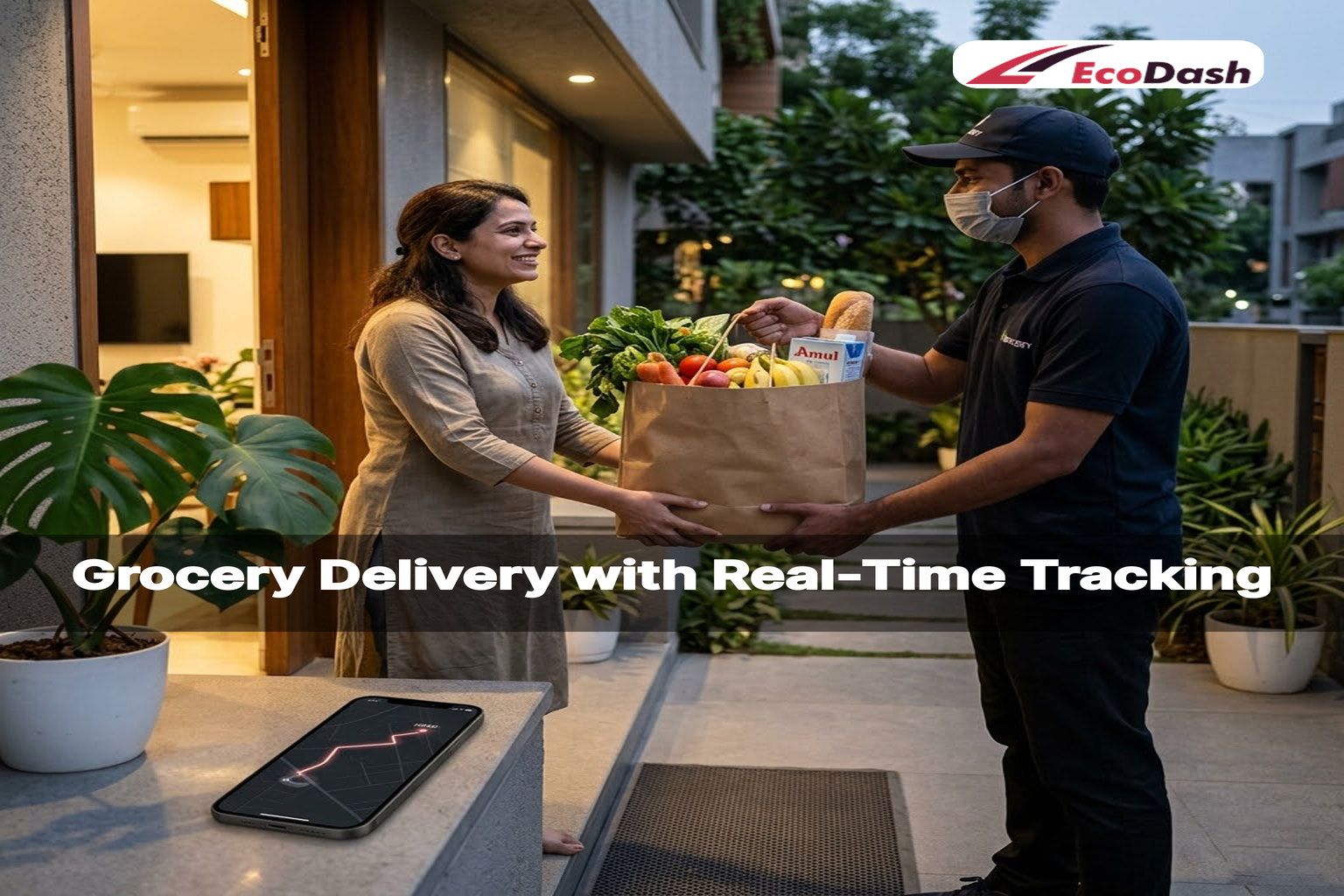
Quick grocery service systems are usually technology-driven. Their applications are speedy, easy to use, and real-time. The experience is made smooth by features such as immediate confirmation of orders, live updates of couriers, and reordering without difficulties.
Large grocery stores have enhanced their online presence, and some of them are still slower or more complicated than others. Nevertheless, most of them have advanced features such as planned delivery, substitutions, and connection with loyalty accounts.
Digitally speaking, the fast delivery service can be more modern and intuitive.
Environmental Impact Sustainability
Sustainability is turning out to be a key issue among consumers in Grocery Delivery in Canada. Large grocery stores usually have developed sustainability initiatives, such as less packaging, reusable shopping bags, and streamlined delivery paths.
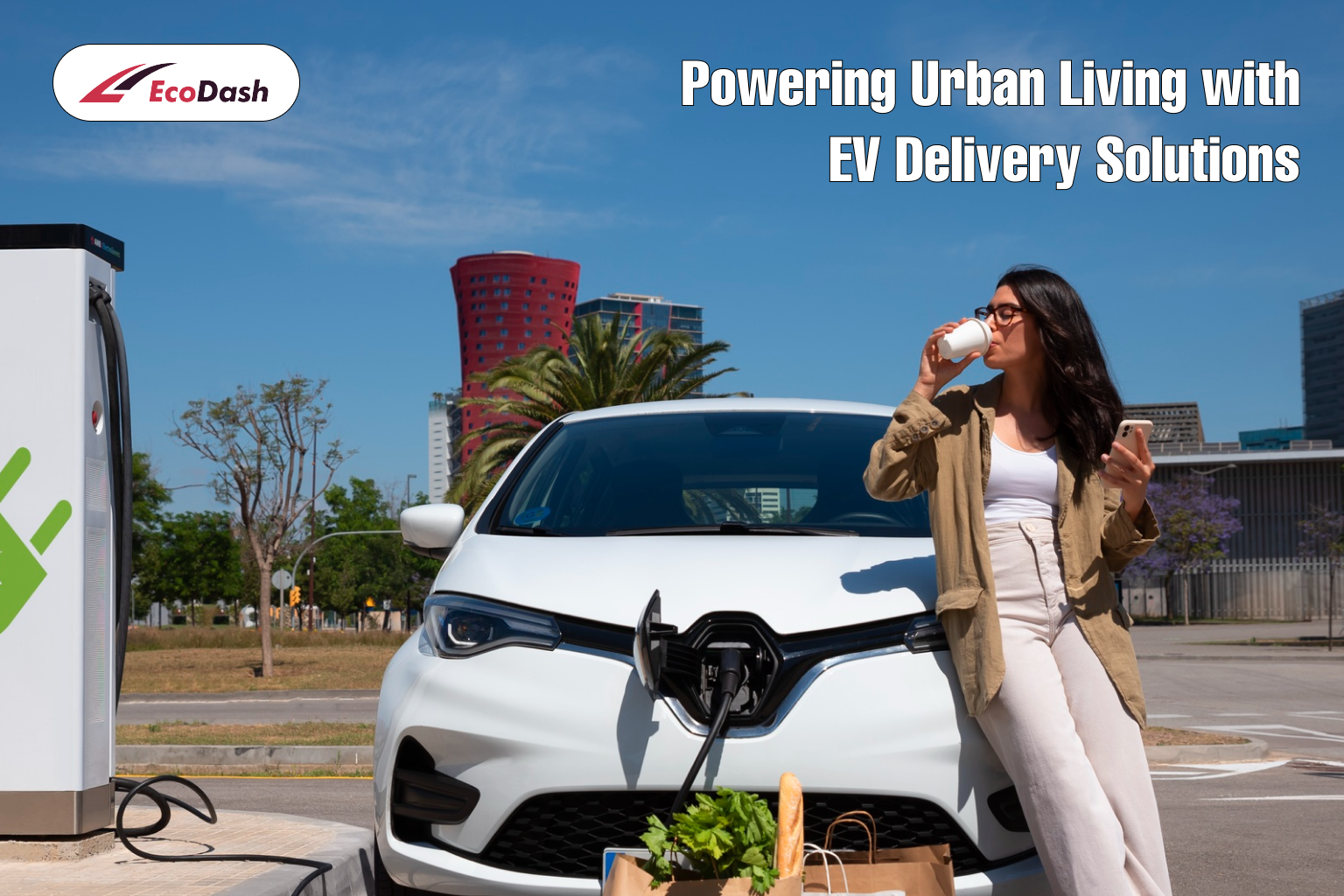
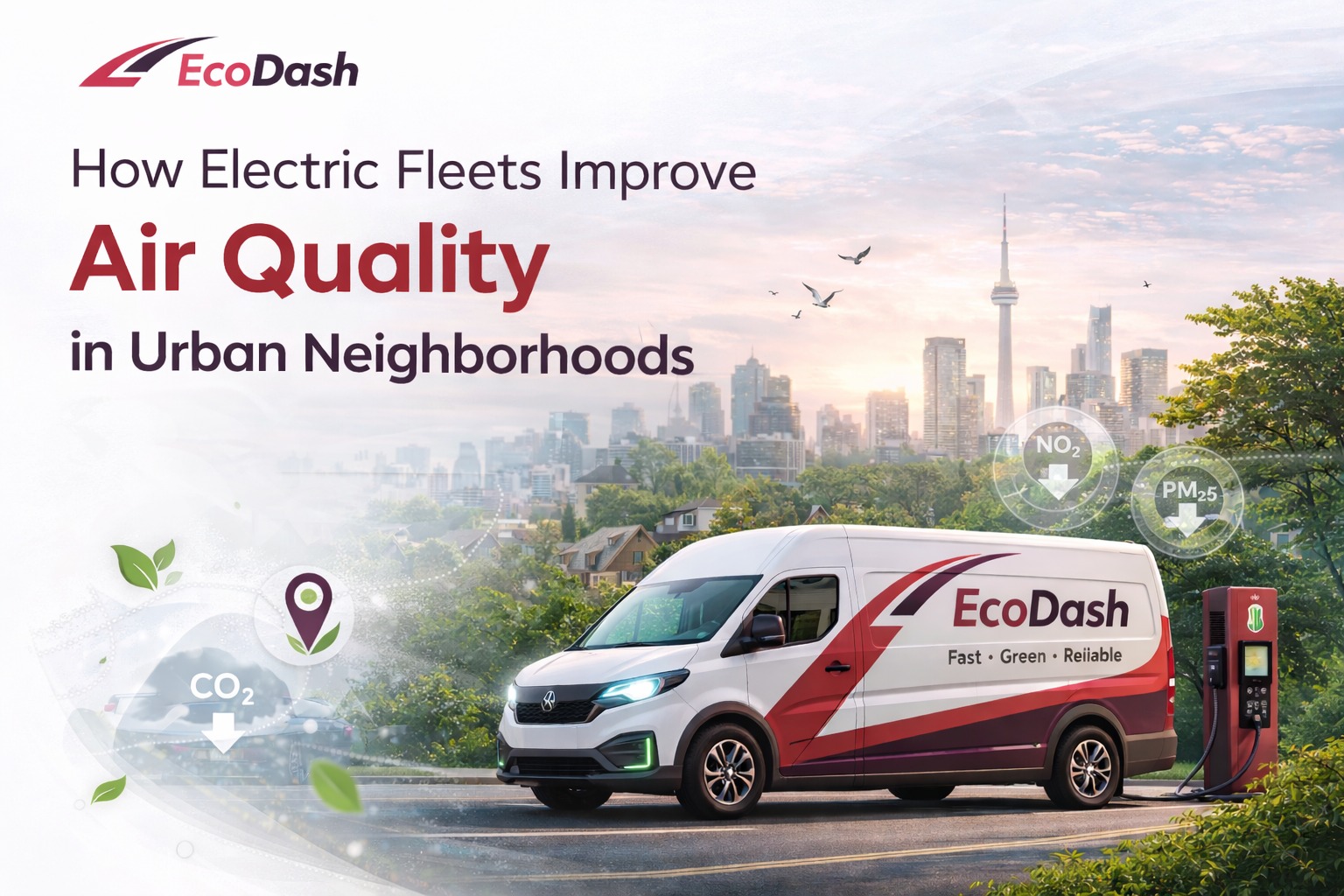
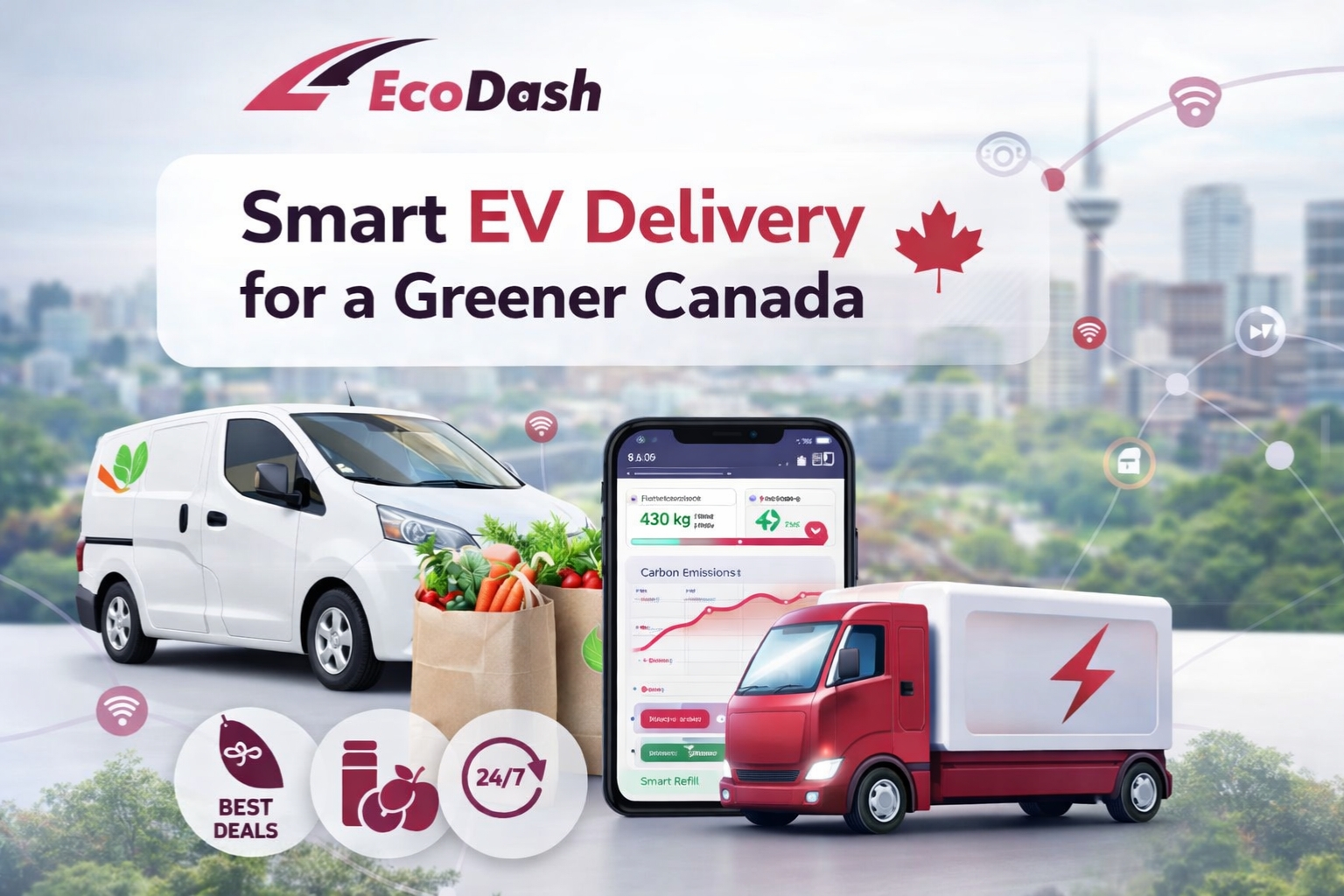
Larger carbon footprint per delivery may be experienced in fast grocery delivery services because of smaller orders and frequent deliveries. Nevertheless, a significant portion is investing in electric cars, bicycle messengers, and packs that are environmentally friendly to make a difference.
It is possible that environmentally-conscious customers also take into account order size and frequency of delivery when both are compared.
Customer Support and Customer Reliability
The large grocery chains have the advantage of years of experience in serving customers. Refunds, replacements, and resolution of issues are generally easy to carry out, though response rates may vary.
The instant in-app support provided by fast grocery delivery platforms can be highly effective in the situation of rapid resolution of the problem. But the policies can vary depending on the platforms, and the quality of services can be based on the availability of couriers.
So, which is better?
This depends on the way you shop.
* Select quick grocery delivery when you believe in speed, convenience, and on-demand delivery.
* Big grocery chains will be your choice when you require variety, improved price, volume purchases, and scheduled delivery.
Among Canadians, a hybrid option is applied nowadays, and a combination of these two options is used to meet various needs. Such versatility is precisely the reason why Grocery Delivery in Canada is still expanding very fast.
conclusion
Canada is a changing Ecodash grocery environment. Consumers are not restricted to a single mode of shopping anymore with the use of technology, evolving lifestyles, and increased expectations. Fast grocery delivery and large grocery chains both have some special advantages, and they are both defining the future of food shopping.
You may plan to make a weekly stock up of products, or you may need to shop urgently, but the best decision will be the one that suits you in terms of lifestyle, money, and priorities.
Leave a reply