

 Cart
Cart
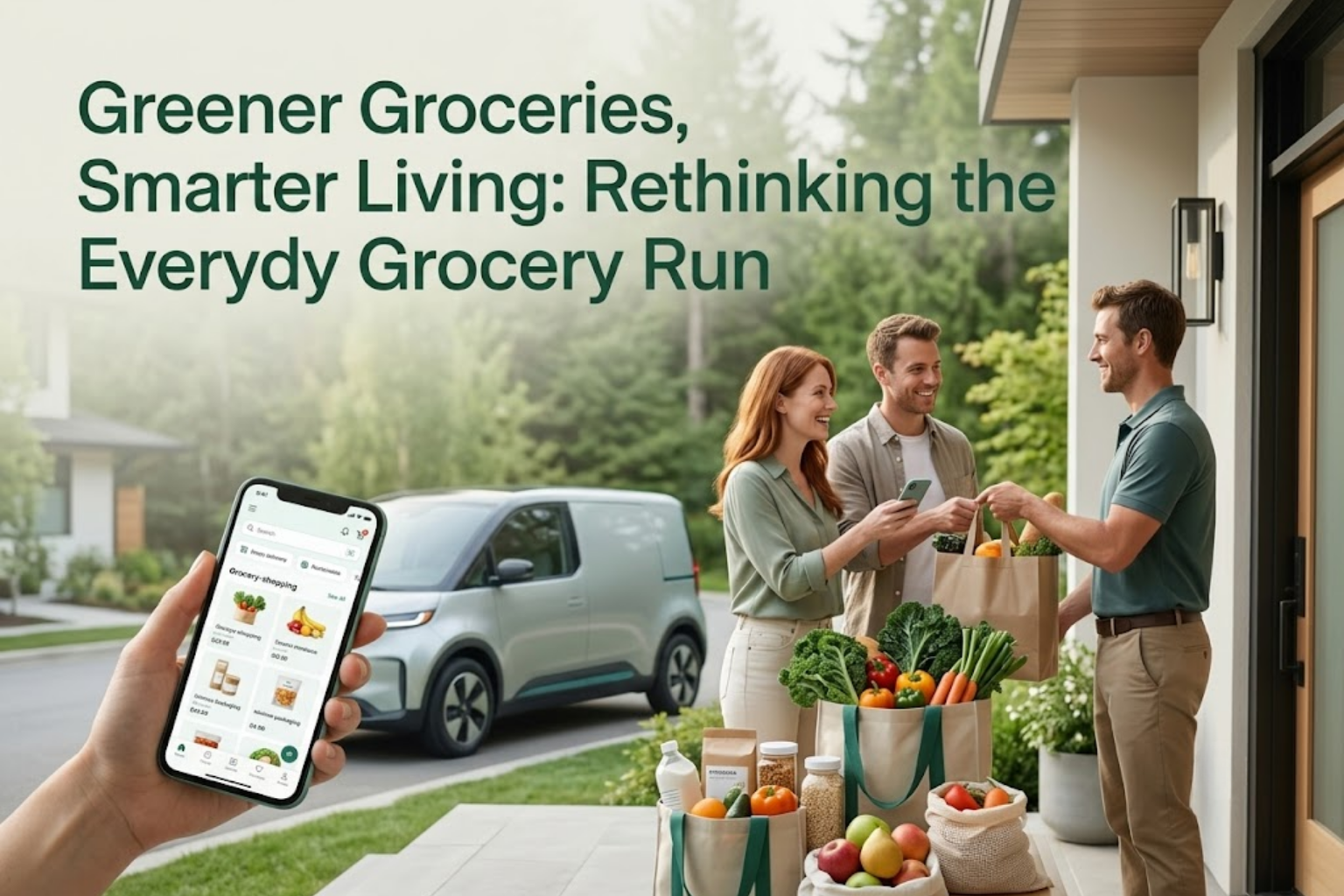



The everyday grocery run may seem like a small part of modern life, but the way we buy, transport, and replenish household essentials can have a meaningful environmental impact. From unnecessary trips and excess packaging to inefficient deliveries and food waste, everyday shopping decisions can add up over time.
As consumers become more conscious of their environmental impact, sustainable grocery shopping is evolving beyond simply choosing organic or locally sourced products. Technology is making it possible to rethink how household essentials are purchased, replenished, and delivered.
Why the Everyday Grocery Run Matters
Grocery shopping is a routine activity for millions of households. A forgotten ingredient can mean another trip to the store, while frequently purchasing small quantities can lead to more transportation, packaging, and time spent shopping.
The challenge is not necessarily shopping less. It is shopping smarter.
By planning household purchases more effectively and combining essential items into efficient deliveries, consumers can make everyday grocery routines more convenient while potentially reducing unnecessary travel and resource consumption.
This shift toward smarter grocery management is an important part of building more sustainable everyday habits.
What Is Sustainable Grocery Shopping?
Sustainable grocery shopping means making purchasing decisions that consider more than convenience and price. It involves thinking about how frequently products are purchased, how they are packaged, how they reach the household, and how much of what is purchased is ultimately used.
A more sustainable grocery routine can include reducing unnecessary shopping trips, choosing reusable bags, avoiding excessive packaging where practical, planning purchases around actual household needs, and using efficient delivery options.
Technology can help bring these choices together into a simpler and more consistent routine.
Rethinking How Household Essentials Are Replenished
Many household products are predictable. Items such as cleaning supplies, personal-care products, pantry staples, and other essentials are purchased repeatedly.
Instead of waiting until something runs out and making an unplanned trip, smart replenishment can help households anticipate recurring needs.
This approach can make grocery shopping more organized while reducing the likelihood of last-minute purchases. When recurring essentials are planned together, households can potentially consolidate purchases and make fewer unnecessary trips.
The goal is not to automate every purchasing decision. It is to make routine consumption more intentional.
How Technology Can Support Greener Shopping Habits
Digital tools are changing the way consumers manage their everyday purchases. Smart grocery platforms can help households understand what they regularly consume, plan replenishment, and manage essential purchases more efficiently.
When technology combines purchasing patterns with household needs, consumers can gain greater visibility into their consumption habits.
This can make it easier to recognize recurring purchases, avoid unnecessary duplication, and plan grocery deliveries around genuine household requirements.
Technology therefore becomes an enabler of sustainable living rather than another source of complexity.
Reducing Unnecessary Transportation
Transportation is an important consideration when thinking about the environmental impact of everyday shopping.
A household that makes several separate trips for individual items may use more transportation resources than one that plans essential purchases together. Efficient delivery models can help consolidate multiple needs into fewer journeys.
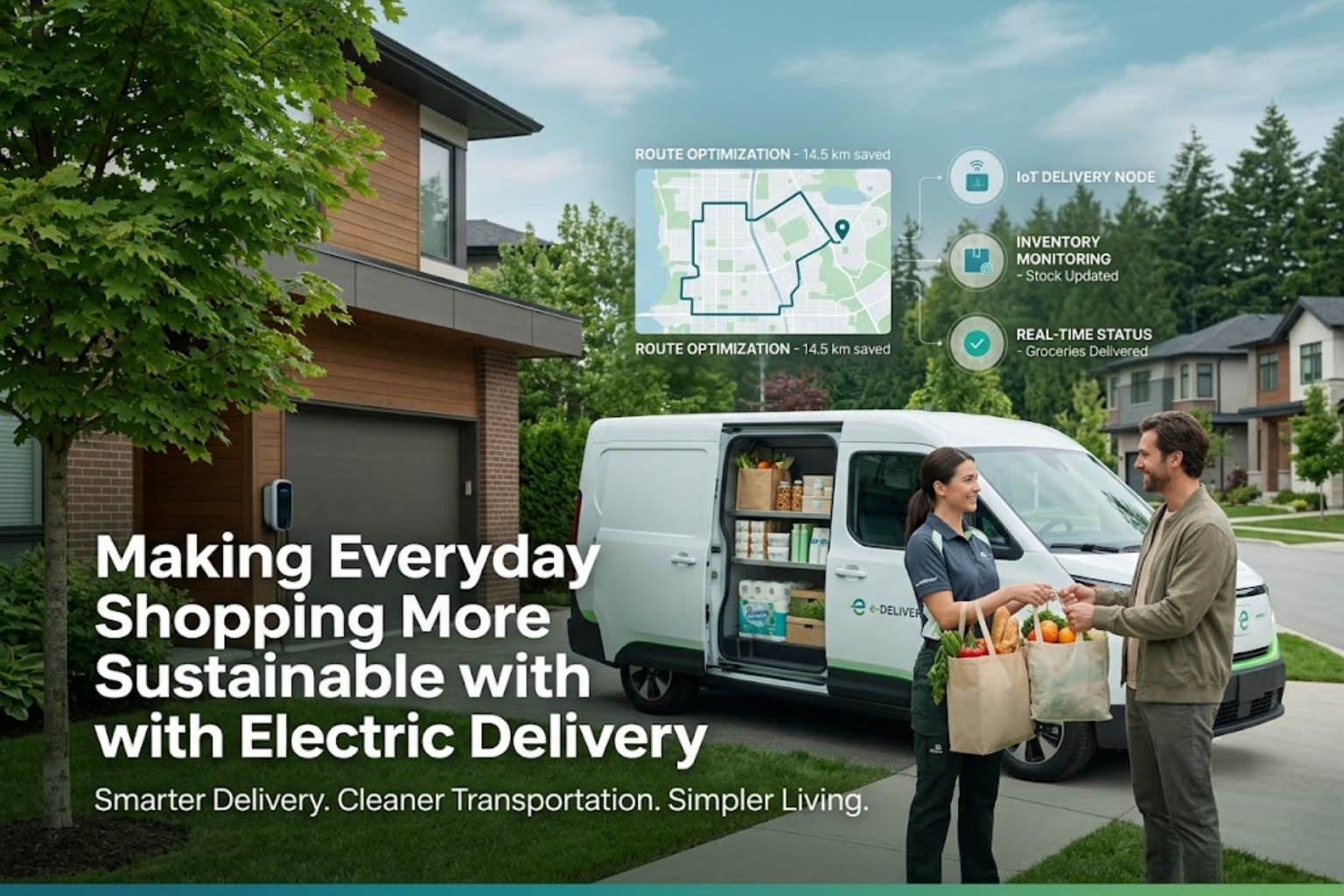
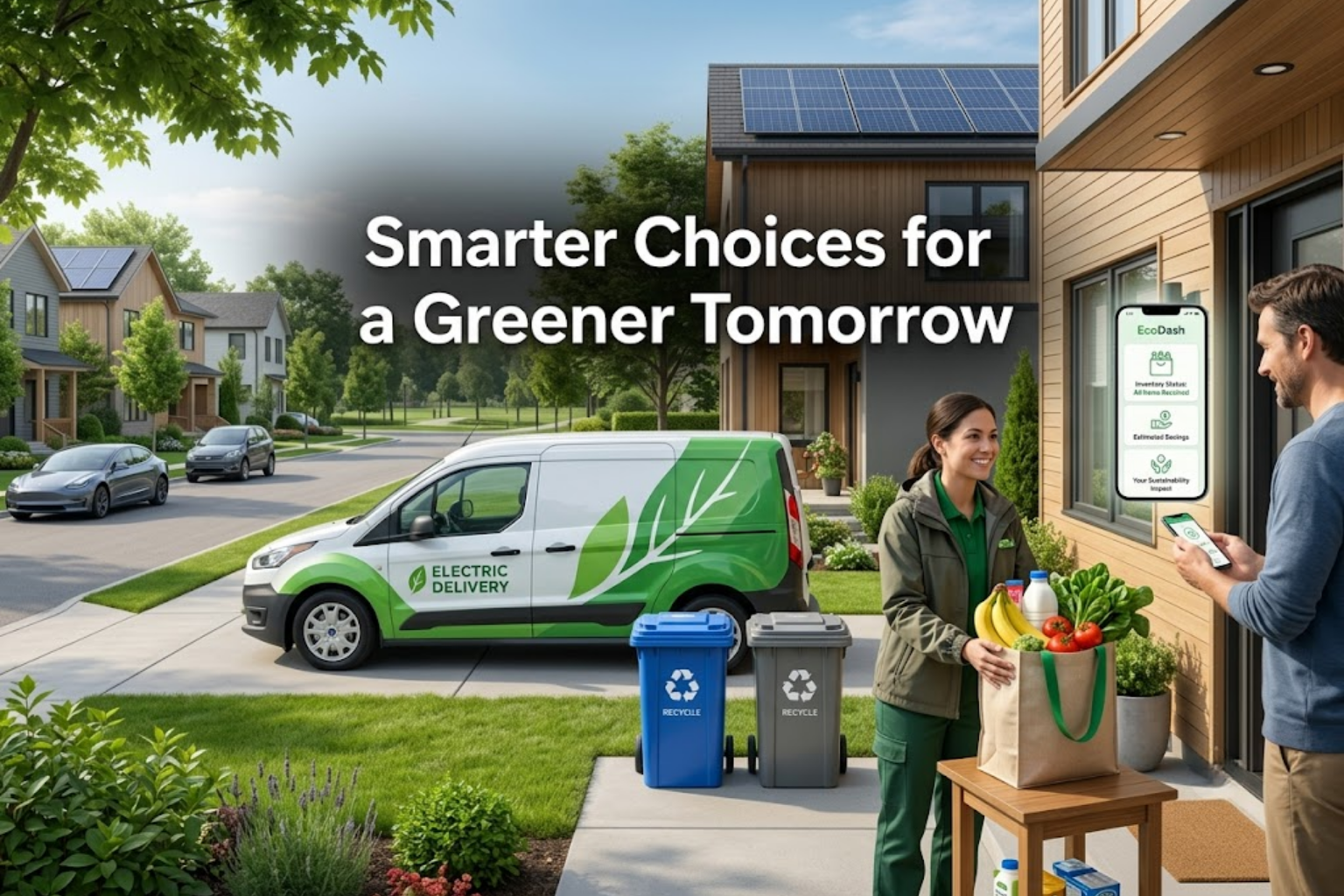
Electric delivery vehicles can further support lower-emission transportation. As electric mobility becomes increasingly integrated into delivery networks, grocery replenishment can become part of a broader transition toward cleaner transportation.
The combination of smarter purchasing and more efficient delivery can help rethink the traditional grocery run.
Making Convenience More Sustainable
Convenience and sustainability do not always have to compete.
For many consumers, sustainable habits are more likely to become routine when they are simple and convenient. If a household can manage recurring essentials without repeatedly planning individual shopping trips, sustainable choices can become easier to maintain.
Smart replenishment can reduce the mental effort involved in remembering everyday essentials while helping consumers maintain a more organized shopping routine.
The result is a lifestyle where sustainability is integrated into normal behavior rather than treated as an additional task.
The Connection Between Grocery Shopping and Food Waste
Smarter shopping can also contribute to more thoughtful consumption.
Buying more than a household needs can lead to unused products and unnecessary waste. Better awareness of purchasing patterns can help consumers understand what they actually use and how frequently they need it.
When households make purchasing decisions based on real consumption rather than assumptions, they can create a more balanced approach to grocery planning.
This does not mean eliminating spontaneous purchases or changing every shopping habit. Instead, it means using better information to make everyday decisions.
Small Changes Can Create Better Habits
Sustainable living does not always require dramatic lifestyle changes.
Simple adjustments to everyday routines can make sustainable choices easier. Planning recurring purchases, combining essential orders, using reusable bags, selecting products thoughtfully, and avoiding unnecessary trips are practical examples of how small decisions can contribute to a more conscious lifestyle.
The important factor is consistency.
When sustainable practices become part of normal household routines, their value can extend beyond a single shopping trip.
Building the Future of Sustainable Grocery Delivery
The future of grocery shopping is likely to become increasingly connected, automated, and data-driven.
Consumers are looking for ways to save time and simplify everyday responsibilities, while businesses are exploring more efficient delivery models and cleaner transportation solutions.
Smart replenishment can bring these trends together by helping households manage recurring needs while supporting more efficient purchasing and delivery.
This creates an opportunity to rethink the traditional grocery model. Instead of reacting when products run out, households can move toward a more proactive approach to managing everyday essentials.
A Smarter Way to Think About Everyday Consumption
Sustainability is not only about the products we purchase. It is also about the systems and habits surrounding those purchases.
A smarter grocery routine can help consumers become more aware of what they buy, how often they shop, and how their purchases reach their homes. When combined with efficient delivery and cleaner transportation, these everyday improvements can support a more sustainable way of living.
The future of sustainable grocery shopping is therefore not necessarily about doing more. It is about making everyday consumption smarter.
Greener Groceries, Smarter Living With EcoDash
Building a more sustainable lifestyle can start with something as ordinary as a grocery run.
EcoDash is helping rethink how households replenish everyday essentials by bringing smarter purchasing, convenient delivery, and sustainability together. By making recurring grocery needs easier to manage, consumers can spend less time planning routine purchases while moving toward more thoughtful consumption habits.
Greener living does not have to begin with a major lifestyle change. Sometimes, it starts with rethinking the way we make our next grocery run.
Leave a reply